Male Escort Melbourne - 26 September 2026
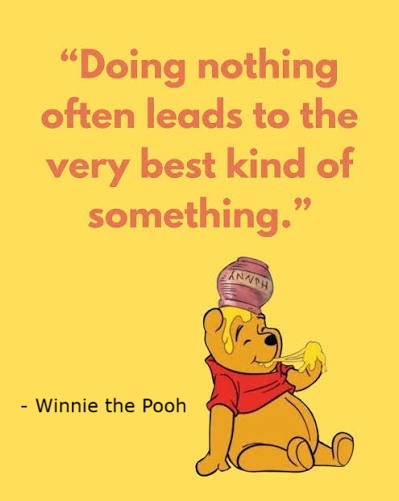
I think we've forgotten how to do absolutely nothing.
And I don't mean “rest.” Rest sounds far too productive these days. Rest implies that there's a reason for it. You're resting because you're recovering, and you're recovering because you're going to get back to work, and you're getting back to work because apparently the ultimate goal of being alive is to become incredibly efficient at doing more things.
No, I'm talking about the proper kind of doing nothing. The completely unnecessary kind. The kind where you sit down without having a podcast ready, don't open your phone, don't answer an email, don't read a book and don't turn the experience into some sort of personal development exercise.
You just sit there.
That's it.
And if that sounds strangely difficult, you're probably not alone.
We've become remarkably uncomfortable with empty space. Give someone five minutes while they're waiting for an appointment and there's a very good chance they'll reach for their phone before they've even realised they've done it. Standing in a queue? Phone. Waiting for the kettle? Phone. Sitting in the car? Phone. Going to the toilet? Well, you know where this is going.
We've somehow turned every tiny gap in the day into an opportunity to consume information.
Then we wonder why our brains sometimes feel like they've been put through a tumble dryer.
There was a time when being bored was simply part of being alive. You might sit on the front verandah and watch the world go by. You might stare out a window while having a cup of tea. You might lie on the couch and let your mind wander without feeling that you should be doing something more worthwhile.
Nobody needed an app to tell them whether they were relaxing correctly.
Nobody was tracking their “downtime.”
Nobody was listening to a podcast called Seven Habits of Highly Effective People Who Sit on Chairs.
You simply had a quiet moment, and you let it be quiet.
I wonder whether we've lost something important by constantly filling those spaces.
Because when you're always distracted, you don't necessarily have to hear yourself think. You don't have to notice that you're exhausted. You don't have to think about the conversation that's been bothering you. You don't have to wonder whether you're actually happy with something in your life.
You can just keep scrolling.
And there is an almost comical amount of distraction available to us now. You can pick up your phone for the innocent purpose of checking the time and, fifteen minutes later, find yourself watching a stranger renovate a kitchen in a country you've never visited.
Apparently this is what civilisation has become.
But when you finally stop filling every spare moment, something rather interesting can happen. Your mind starts wandering.
And wandering minds can be surprisingly useful.
You might suddenly remember something from twenty years ago. You might think about someone you haven't spoken to in years. You might have an idea for something you've been trying to solve. You might notice that you're actually feeling pretty good.
Or you might discover that you're carrying around a feeling you've been too busy to acknowledge.
None of these things necessarily need fixing.
That's another habit we've developed. We seem to believe every thought needs an action plan. If we're stressed, we need a strategy for eliminating stress. If we're unhappy with our job, we need a five-step career plan. If we don't know what we want, apparently we're supposed to listen to a three-hour podcast hosted by someone who found themselves during a silent retreat in Bali.
Sometimes a thought can simply be a thought.
Sometimes a feeling can simply be felt.
You don't have to turn your inner life into a renovation project every time something needs a little attention.
And perhaps that's where doing nothing becomes surprisingly valuable. When you're doing nothing, you're not performing, achieving or proving anything. Nobody is giving you a gold star for sitting on the couch particularly well, and there isn't a leaderboard for people who are exceptionally good at drinking coffee while staring out the window.
You're simply there.
And maybe being there is enough.
We've become so obsessed with what we can accomplish that we can forget something incredibly obvious: your value isn't created by your productivity.
You don't become more worthy because you've answered every email. You don't become more lovable because the house is spotless. You don't become a better person because you've ticked every box on your to-do list.
And you certainly don't have to justify enjoying your own life.
Some of the best moments aren't productive at all. A slow morning. A cup of coffee. Sitting outside when the weather is beautiful. Watching the rain. Laughing with someone you love about something completely stupid. Lying in bed for an extra ten minutes because you don't particularly feel like getting up yet.
None of these things move your career forward. They don't increase your bank balance, improve your résumé or give you something impressive to mention at a networking event.
And thank goodness for that.
Maybe they're not supposed to be useful.
Maybe they're supposed to be lived.
There's something else I've noticed about doing nothing. It becomes much easier when you're comfortable with yourself. If you're constantly trying to escape your own thoughts, silence can feel uncomfortable. But as you become more comfortable simply being yourself, silence can start to feel completely different.
It becomes spacious.
You don't have to entertain yourself every second. You don't have to be interesting. You don't have to be cheerful. You don't even have to have anything particularly profound going through your mind.
You can just exist for a while.
And there's something wonderfully freeing about that.
It's also one of the nicest things you can do with another person. Have you ever noticed how comfortable you feel with someone when you can sit together without needing to fill every silence? You don't need a fascinating conversation or an activity planned every thirty minutes. You don't even need to be doing the same thing.
You're simply sharing the same little piece of time.
Perhaps that's a beautiful kind of intimacy in itself. Not because anything spectacular is happening, but because nothing spectacular needs to happen.
You are comfortable enough to simply be there together.
Maybe we've been looking for meaning in the wrong places. We chase the big moments - the holidays, achievements, milestones, celebrations and photographs we'll post afterwards - but most of a life isn't made from those moments.
Most of it is made from Tuesday afternoons.
It's the kettle boiling. It's someone calling your name from another room. It's the dog wandering around the house. It's sitting in the car for a moment before you go inside. It's a song playing while you're making dinner. It's rain tapping against the window. It's a conversation that goes absolutely nowhere.
Those moments can seem insignificant because they're not announcing themselves as important.
But perhaps that's exactly why they matter.
One day, when you look back on your life, you may not remember whether you answered every email on time. You probably won't remember whether your house was perfectly tidy every Tuesday afternoon, or whether you managed to squeeze another twenty minutes of productivity out of your day.
You may remember the people you loved. You may remember the laughter. You may remember the quiet mornings, the silly conversations and the ordinary afternoons that somehow became precious simply because they belonged to a particular chapter of your life.
Perhaps the great trick isn't learning how to make every moment extraordinary.
Perhaps it's learning how to appreciate the ordinary moments while they're still happening.
So here's my completely unscientific prescription for the week: find somewhere comfortable, put your phone somewhere that requires enough effort to retrieve it that you'll question whether it's really worth getting up, make yourself a coffee and do absolutely nothing for a while.
Don't turn it into productivity.
Don't optimise it.
Don't feel guilty about it.
And if your brain starts telling you that you really should be doing something, you can politely tell it to take the afternoon off. It works for employees. Why shouldn't it work for brains?
Sit there for a little while and let your thoughts wander wherever they want to go. Look out the window. Listen to the rain. Watch the birds. Notice the world happening around you without requiring anything from you.
You might discover something.
Or you might discover absolutely nothing at all.
And that's perfectly fine.
Because perhaps the forgotten art of doing absolutely nothing isn't really about wasting time. Perhaps it's about remembering that not every moment of your life has to be spent getting somewhere.
Sometimes you can simply arrive.
Right here. Right now. With nothing to accomplish, nothing to prove, nothing to fix and nowhere else you need to be.
Just you, existing for a little while.
And for a few beautiful minutes, perhaps that's the whole job.
I think we've forgotten how to do absolutely nothing.
And I don't mean “rest.” Rest sounds far too productive these days. Rest implies that there's a reason for it. You're resting because you're recovering, and you're recovering because you're going to get back to work, and you're getting back to work because apparently the ultimate goal of being alive is to become incredibly efficient at doing more things.
No, I'm talking about the proper kind of doing nothing. The completely unnecessary kind. The kind where you sit down without having a podcast ready, don't open your phone, don't answer an email, don't read a book and don't turn the experience into some sort of personal development exercise.
You just sit there.
That's it.
And if that sounds strangely difficult, you're probably not alone.
We've become remarkably uncomfortable with empty space. Give someone five minutes while they're waiting for an appointment and there's a very good chance they'll reach for their phone before they've even realised they've done it. Standing in a queue? Phone. Waiting for the kettle? Phone. Sitting in the car? Phone. Going to the toilet? Well, you know where this is going.
We've somehow turned every tiny gap in the day into an opportunity to consume information.
Then we wonder why our brains sometimes feel like they've been put through a tumble dryer.
There was a time when being bored was simply part of being alive. You might sit on the front verandah and watch the world go by. You might stare out a window while having a cup of tea. You might lie on the couch and let your mind wander without feeling that you should be doing something more worthwhile.
Nobody needed an app to tell them whether they were relaxing correctly.
Nobody was tracking their “downtime.”
Nobody was listening to a podcast called Seven Habits of Highly Effective People Who Sit on Chairs.
You simply had a quiet moment, and you let it be quiet.
I wonder whether we've lost something important by constantly filling those spaces.
Because when you're always distracted, you don't necessarily have to hear yourself think. You don't have to notice that you're exhausted. You don't have to think about the conversation that's been bothering you. You don't have to wonder whether you're actually happy with something in your life.
You can just keep scrolling.
And there is an almost comical amount of distraction available to us now. You can pick up your phone for the innocent purpose of checking the time and, fifteen minutes later, find yourself watching a stranger renovate a kitchen in a country you've never visited.
Apparently this is what civilisation has become.
But when you finally stop filling every spare moment, something rather interesting can happen. Your mind starts wandering.
And wandering minds can be surprisingly useful.
You might suddenly remember something from twenty years ago. You might think about someone you haven't spoken to in years. You might have an idea for something you've been trying to solve. You might notice that you're actually feeling pretty good.
Or you might discover that you're carrying around a feeling you've been too busy to acknowledge.
None of these things necessarily need fixing.
That's another habit we've developed. We seem to believe every thought needs an action plan. If we're stressed, we need a strategy for eliminating stress. If we're unhappy with our job, we need a five-step career plan. If we don't know what we want, apparently we're supposed to listen to a three-hour podcast hosted by someone who found themselves during a silent retreat in Bali.
Sometimes a thought can simply be a thought.
Sometimes a feeling can simply be felt.
You don't have to turn your inner life into a renovation project every time something needs a little attention.
And perhaps that's where doing nothing becomes surprisingly valuable. When you're doing nothing, you're not performing, achieving or proving anything. Nobody is giving you a gold star for sitting on the couch particularly well, and there isn't a leaderboard for people who are exceptionally good at drinking coffee while staring out the window.
You're simply there.
And maybe being there is enough.
We've become so obsessed with what we can accomplish that we can forget something incredibly obvious: your value isn't created by your productivity.
You don't become more worthy because you've answered every email. You don't become more lovable because the house is spotless. You don't become a better person because you've ticked every box on your to-do list.
And you certainly don't have to justify enjoying your own life.
Some of the best moments aren't productive at all. A slow morning. A cup of coffee. Sitting outside when the weather is beautiful. Watching the rain. Laughing with someone you love about something completely stupid. Lying in bed for an extra ten minutes because you don't particularly feel like getting up yet.
None of these things move your career forward. They don't increase your bank balance, improve your résumé or give you something impressive to mention at a networking event.
And thank goodness for that.
Maybe they're not supposed to be useful.
Maybe they're supposed to be lived.
There's something else I've noticed about doing nothing. It becomes much easier when you're comfortable with yourself. If you're constantly trying to escape your own thoughts, silence can feel uncomfortable. But as you become more comfortable simply being yourself, silence can start to feel completely different.
It becomes spacious.
You don't have to entertain yourself every second. You don't have to be interesting. You don't have to be cheerful. You don't even have to have anything particularly profound going through your mind.
You can just exist for a while.
And there's something wonderfully freeing about that.
It's also one of the nicest things you can do with another person. Have you ever noticed how comfortable you feel with someone when you can sit together without needing to fill every silence? You don't need a fascinating conversation or an activity planned every thirty minutes. You don't even need to be doing the same thing.
You're simply sharing the same little piece of time.
Perhaps that's a beautiful kind of intimacy in itself. Not because anything spectacular is happening, but because nothing spectacular needs to happen.
You are comfortable enough to simply be there together.
Maybe we've been looking for meaning in the wrong places. We chase the big moments - the holidays, achievements, milestones, celebrations and photographs we'll post afterwards - but most of a life isn't made from those moments.
Most of it is made from Tuesday afternoons.
It's the kettle boiling. It's someone calling your name from another room. It's the dog wandering around the house. It's sitting in the car for a moment before you go inside. It's a song playing while you're making dinner. It's rain tapping against the window. It's a conversation that goes absolutely nowhere.
Those moments can seem insignificant because they're not announcing themselves as important.
But perhaps that's exactly why they matter.
One day, when you look back on your life, you may not remember whether you answered every email on time. You probably won't remember whether your house was perfectly tidy every Tuesday afternoon, or whether you managed to squeeze another twenty minutes of productivity out of your day.
You may remember the people you loved. You may remember the laughter. You may remember the quiet mornings, the silly conversations and the ordinary afternoons that somehow became precious simply because they belonged to a particular chapter of your life.
Perhaps the great trick isn't learning how to make every moment extraordinary.
Perhaps it's learning how to appreciate the ordinary moments while they're still happening.
So here's my completely unscientific prescription for the week: find somewhere comfortable, put your phone somewhere that requires enough effort to retrieve it that you'll question whether it's really worth getting up, make yourself a coffee and do absolutely nothing for a while.
Don't turn it into productivity.
Don't optimise it.
Don't feel guilty about it.
And if your brain starts telling you that you really should be doing something, you can politely tell it to take the afternoon off. It works for employees. Why shouldn't it work for brains?
Sit there for a little while and let your thoughts wander wherever they want to go. Look out the window. Listen to the rain. Watch the birds. Notice the world happening around you without requiring anything from you.
You might discover something.
Or you might discover absolutely nothing at all.
And that's perfectly fine.
Because perhaps the forgotten art of doing absolutely nothing isn't really about wasting time. Perhaps it's about remembering that not every moment of your life has to be spent getting somewhere.
Sometimes you can simply arrive.
Right here. Right now. With nothing to accomplish, nothing to prove, nothing to fix and nowhere else you need to be.
Just you, existing for a little while.
And for a few beautiful minutes, perhaps that's the whole job.